
Beyond the Visual: How Digital Olfaction Could Monitor Environmental Health in Unique Ecosystems like Rio Celeste

The photos look fake. I thought the same thing before I went. You scroll through social media and see this Gatorade-blue river cutting through the Costa Rican jungle, assuming someone cranked the saturation slider to maximum.

They didn't. Rio Celeste is actually that blue.

But seeing it requires sweat, a tolerance for the smell of sulfur, and a willingness to deal with some serious mud. Here is the reality of hiking Tenorio Volcano National Park, minus the marketing fluff.

The Science of the Blue

Before you hit the trail, you need to know what you're looking at. It isn't a chemical spill. It isn't magic. It's an optical illusion caused by geology.

Two completely transparent rivers—the Buenavista and Sour Creek—collide in the jungle. When they mix, a sudden drop in pH causes aluminosilicate minerals to clump together. These suspended particles scatter sunlight, reflecting only that piercing, milky blue back to your eyes. Scientists call it Mie scattering. You'll just call it wild.

The Trail: What to Actually Expect

The hike is a 6-kilometer (3.7-mile) out-and-back trail. Plan for about two and a half to three hours, depending on how often you stop to catch your breath.

The first third of the hike is deceptively easy. The path is paved, flat, and shaded by dense jungle canopy. Don't let it fool you. Once you pass the turnoff for the waterfall, the pavement vanishes. From here on out, you are walking on exposed roots, jagged volcanic rocks, and—depending on the season—thick, slippery clay.

You'll hit four main stops along the route.

1. The Waterfall (Catarata)

This is the postcard shot. You'll hear the roar of the water long before you see it. To get down to the viewing platform, you have to descend roughly 250 steep, uneven steps. Going down is tough on the knees. Coming back up is a massive cardiovascular wake-up call. Take your time. The view at the bottom, where a 98-foot waterfall crashes into a glowing blue pool, is worth the burn.

2. The Blue Lagoon (Laguna Azul)

Further up the main trail, the canopy opens up to reveal a calm, intensely blue section of the river. It looks incredibly inviting, especially when you are sweating through your shirt. Don't jump in. Swimming is strictly prohibited everywhere inside the national park. The water contains high levels of copper and volcanic chemicals, and the park rangers will absolutely fine you if they catch you wading.

3. The Boiling Pots (Borbollones)

You'll smell this stop before you see it. The scent of rotten eggs hits you like a wall. This is where volcanic gases push up through fissures in the riverbed, making the water bubble and boil like a cauldron. It's a stark reminder that you are walking on the flanks of an active volcano.

4. The Meeting Place (Los Teñideros)

This is the end of the line. You'll cross a couple of bouncy suspension bridges to get here. This is the exact spot where the two clear rivers converge. You can literally watch the water turn from transparent to neon blue right in front of you. It's the payoff for the entire trek.

The Hard Logistics

You can't just roll up to the gate with cash. Costa Rica's national parks have modernized, and Tenorio requires advance planning.

Tickets: You must buy your entry pass online through the official SINAC website before you arrive. Cell service at the park entrance is notoriously spotty, so download your QR code to your phone while you're still at your hotel.

Cost: Entry is $12 USD for non-resident adults (plus a small local tax, bringing it to around $13.56). Children are $5 USD.

Parking: Locals run the parking lots across from the park entrance. Expect to pay about 2,000 colones (roughly $4 USD) in cash.

Hours: The gates open at 8:00 AM. The absolute last entry is at 2:00 PM. Rangers sweep the trails and kick everyone out by 4:00 PM.

If you want to dodge the massive tour groups rolling in from La Fortuna and Liberia, get to the gate at 7:45 AM. For a comprehensive breakdown of current road conditions, nearby lodging, and hidden spots in the area, check out this essential visitor information for Rio Celeste.

The Weather Reality Check

Here is the most crucial piece of advice I can give you: Rain is the enemy of Rio Celeste.

If there is a massive downpour the night before, or heavy sustained rain for days, the river turns a muddy, depressing brown. The sediment washes out the optical illusion. If you are traveling during the rainy season (May through November), try to schedule your hike for the morning. Afternoon thunderstorms are practically guaranteed.

If it has been raining, the trail turns into a slip-and-slide. Locals rent out rubber knee-high boots near the parking lot for a few bucks. Rent them. Your expensive hiking shoes will get destroyed by the clay.

What to Pack

Keep your daypack light. You don't need survival gear, but you do need the basics.

Water: Bring at least a liter per person. The humidity is relentless.

Footwear: Trail runners with good lugs or proper hiking boots. Leave the flip-flops in your rental car.

Rain Jacket: A lightweight, packable shell. The weather shifts rapidly up near the volcano.

Bug Repellent: The mosquitoes aren't terrible on the moving trail, but they will swarm you the second you stop at the lagoon.

Snacks: There is no food sold inside the park. Grab a couple of empanadas at a local soda before you arrive.

Rio Celeste isn't a walk in a manicured city park. It's raw, sweaty, and entirely un-air-conditioned. But standing on that suspension bridge, watching two clear streams collide to create a river that looks like it belongs on another planet, you'll forget all about the mud on your boots.
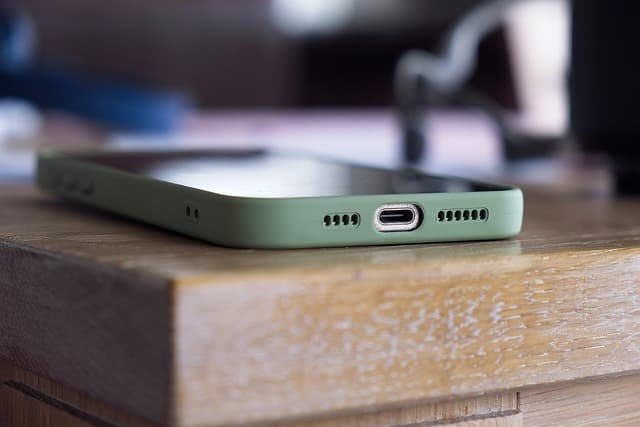
Enhancing Your Wellness with Sleep Apps and Gaming Entertainment

In today’s digital age, the boundaries between health, technology, and entertainment are becoming increasingly interconnected. People now use apps not only to work and communicate, but also to sleep better, relax more effectively, and enjoy entertainment in ways that fit into busy lifestyles. Two areas that highlight this convergence particularly well are sleep-tracking technology and online gaming. While they may appear unrelated at first glance, together they reflect a broader shift toward balanced, technology-supported wellbeing.

Sleep technology has grown rapidly as awareness increases around the importance of rest for physical and mental health. At the same time, online entertainment platforms continue to evolve, offering immersive experiences that help people unwind and socialize. Understanding how these two spheres can coexist harmoniously offers valuable insight into creating a healthier and more enjoyable daily routine.

The Growing Importance of Sleep in Modern Life

Quality sleep is one of the most critical factors influencing overall wellbeing. Poor sleep affects concentration, emotional regulation, physical health, and decision-making. In a world of constant notifications, screen exposure, and irregular schedules, many people struggle to achieve consistent, restorative rest. This challenge has fueled the development of sleep-focused digital tools designed to help users understand and improve their sleep habits.

Sleep tracking apps provide users with data-driven insights into their nightly rest. By monitoring sleep stages, movement, and environmental factors, these tools help individuals recognize patterns that may be affecting sleep quality. Over time, this awareness supports healthier routines, such as consistent bedtimes, reduced screen use before sleep, and improved relaxation practices.

Technology as a Tool for Better Rest

Modern sleep apps often go beyond basic tracking. They may include smart alarms that wake users during lighter sleep phases, guided soundscapes to encourage relaxation, and personalized recommendations based on collected data. By transforming sleep into something measurable and understandable, these tools empower users to take control of an essential aspect of their health.

Better sleep has a direct impact on daytime performance. Well-rested individuals tend to experience improved focus, faster reaction times, better mood stability, and stronger motivation. Whether engaging in work tasks, creative hobbies, or leisure activities, the benefits of quality sleep are felt throughout the day.

Entertainment as a Form of Relaxation

Alongside health-focused technology, digital entertainment has become an important part of how people relax. Online gaming platforms, in particular, offer interactive experiences that combine challenge, excitement, and social connection. When used responsibly, gaming can provide a mental break, stimulate problem-solving skills, and offer enjoyable downtime after demanding days.

Platforms such as Casino Fugu represent a modern form of online entertainment, offering a variety of games designed to engage users visually and interactively. For many players, these experiences serve as a way to unwind, socialize, and enjoy moments of excitement in a controlled digital environment.

The Relationship Between Rest and Enjoyment

Sleep quality directly influences how entertainment is experienced. Fatigue reduces enjoyment, increases frustration, and impairs judgment. Well-rested individuals, on the other hand, are more likely to approach entertainment with clarity and control. They can enjoy games for what they are meant to be — a source of fun and relaxation — rather than as a way to compensate for exhaustion or stress.

By using sleep tracking apps to improve rest, individuals can enhance their enjoyment of leisure activities. A refreshed mind responds more positively to stimulation, processes information more efficiently, and maintains better emotional balance during gameplay.

Balancing Wellness and Digital Play

The key to combining wellness technology and gaming entertainment lies in balance. Sleep apps encourage structure, routine, and awareness, while entertainment platforms offer flexibility and enjoyment. Together, they support a lifestyle where health and fun coexist rather than compete.

A balanced routine might involve using sleep insights to establish consistent rest patterns, then enjoying digital entertainment during appropriate times without compromising sleep schedules. This approach helps prevent late-night overuse of screens and encourages intentional leisure rather than impulsive behavior.

Mental Health and Responsible Engagement

Both sleep technology and gaming platforms influence mental wellbeing. Sleep apps support emotional resilience by improving rest quality, while entertainment can offer stress relief and social connection. Responsible engagement is essential in both areas. Data should be used to inform healthier habits, not create pressure, and entertainment should remain a choice rather than a coping mechanism for fatigue or anxiety.

When users are mindful of how they interact with digital tools, technology becomes an ally rather than a distraction. Clear boundaries, self-awareness, and intentional use help maintain this balance.

A Holistic View of Digital Wellbeing

The intersection of sleep technology and online entertainment reflects a broader trend in digital wellbeing. People increasingly seek tools that support both health and enjoyment within the same ecosystem. Rather than viewing technology as purely productive or purely recreational, modern users recognize its role in shaping daily rhythms.

By prioritizing sleep and approaching entertainment with awareness, individuals can create routines that support long-term wellbeing. Rest fuels enjoyment, and enjoyable experiences, in turn, support relaxation and stress reduction.

Conclusion

Sleep apps and online gaming platforms may serve different purposes, but together they illustrate how digital tools can contribute to a balanced lifestyle. Sleep technology provides the foundation for physical and mental health, while entertainment platforms offer moments of fun, engagement, and social interaction. When combined thoughtfully, these tools support clarity, enjoyment, and overall wellbeing.

In a connected world where digital experiences shape daily life, the goal is not to eliminate technology, but to use it wisely. By improving sleep and engaging responsibly with entertainment, individuals can enjoy the best of both worlds — better health and meaningful, enjoyable leisure.